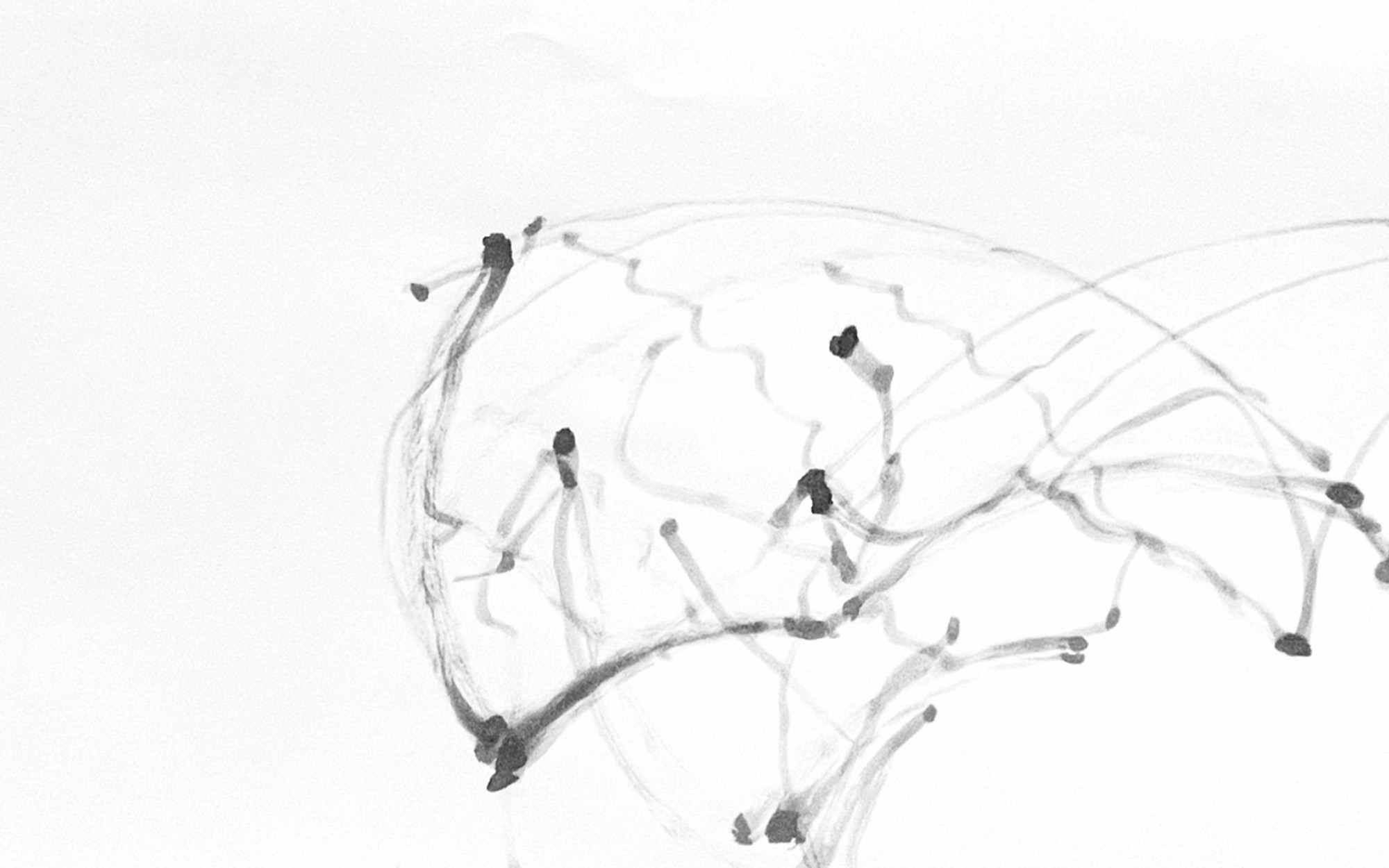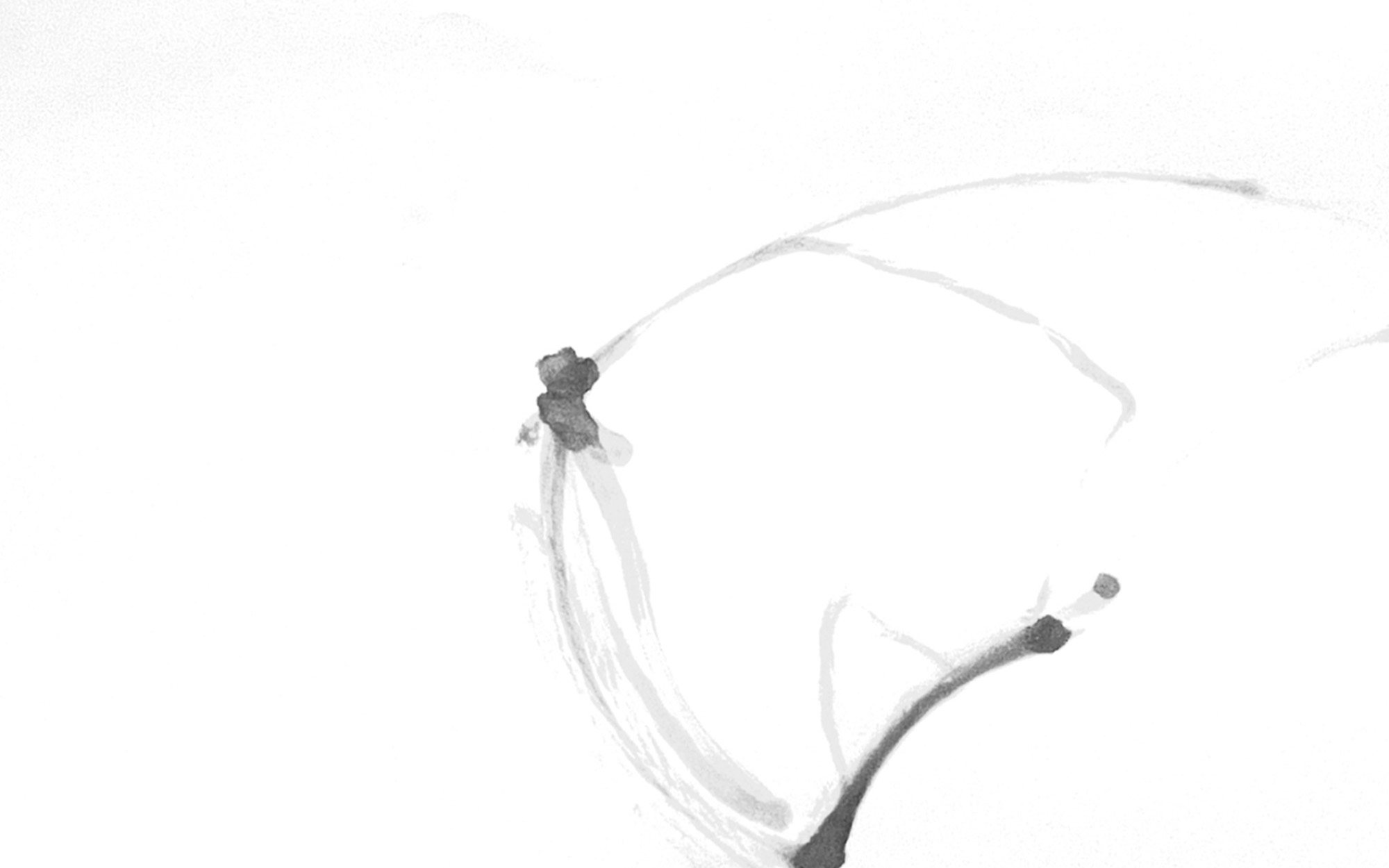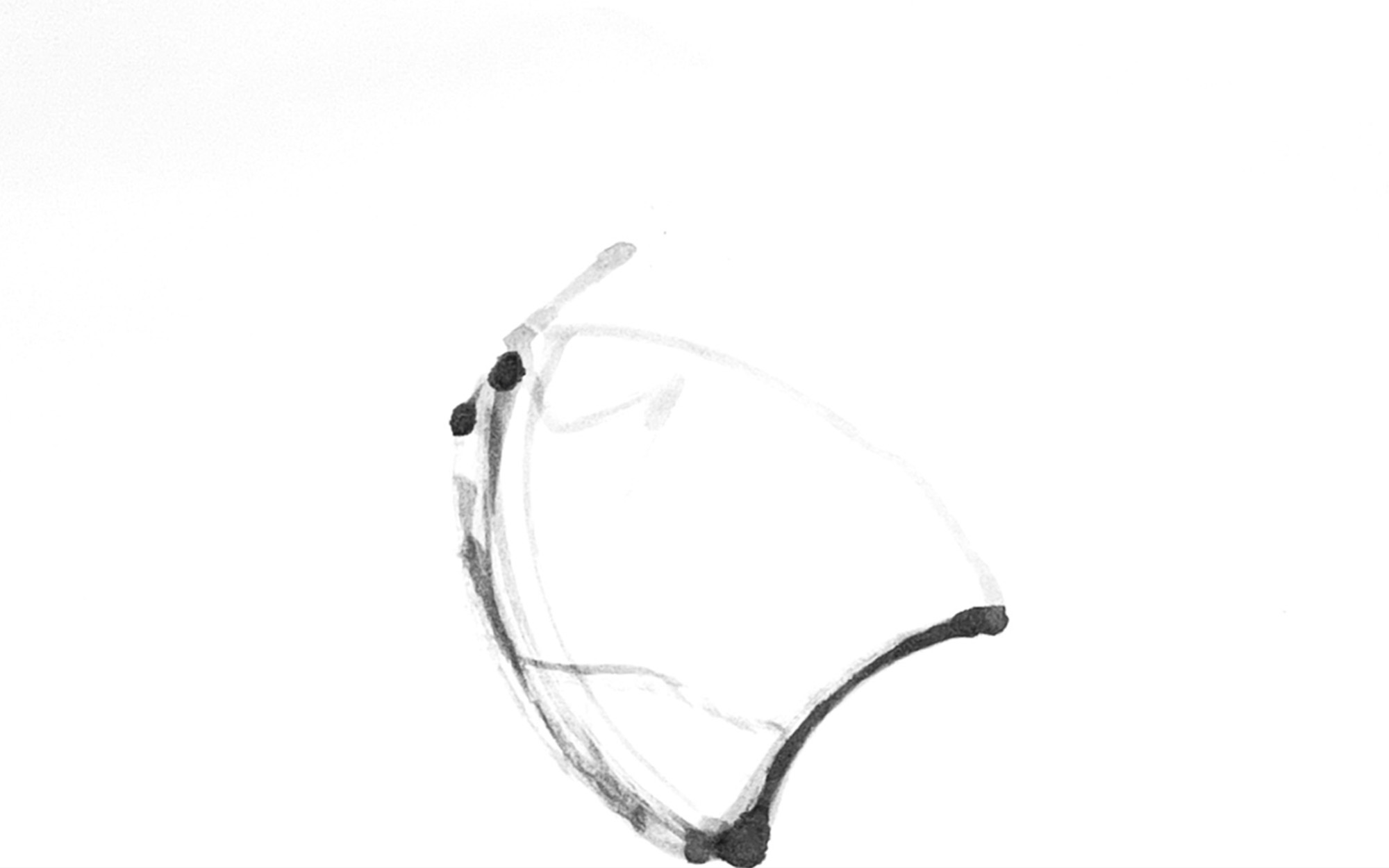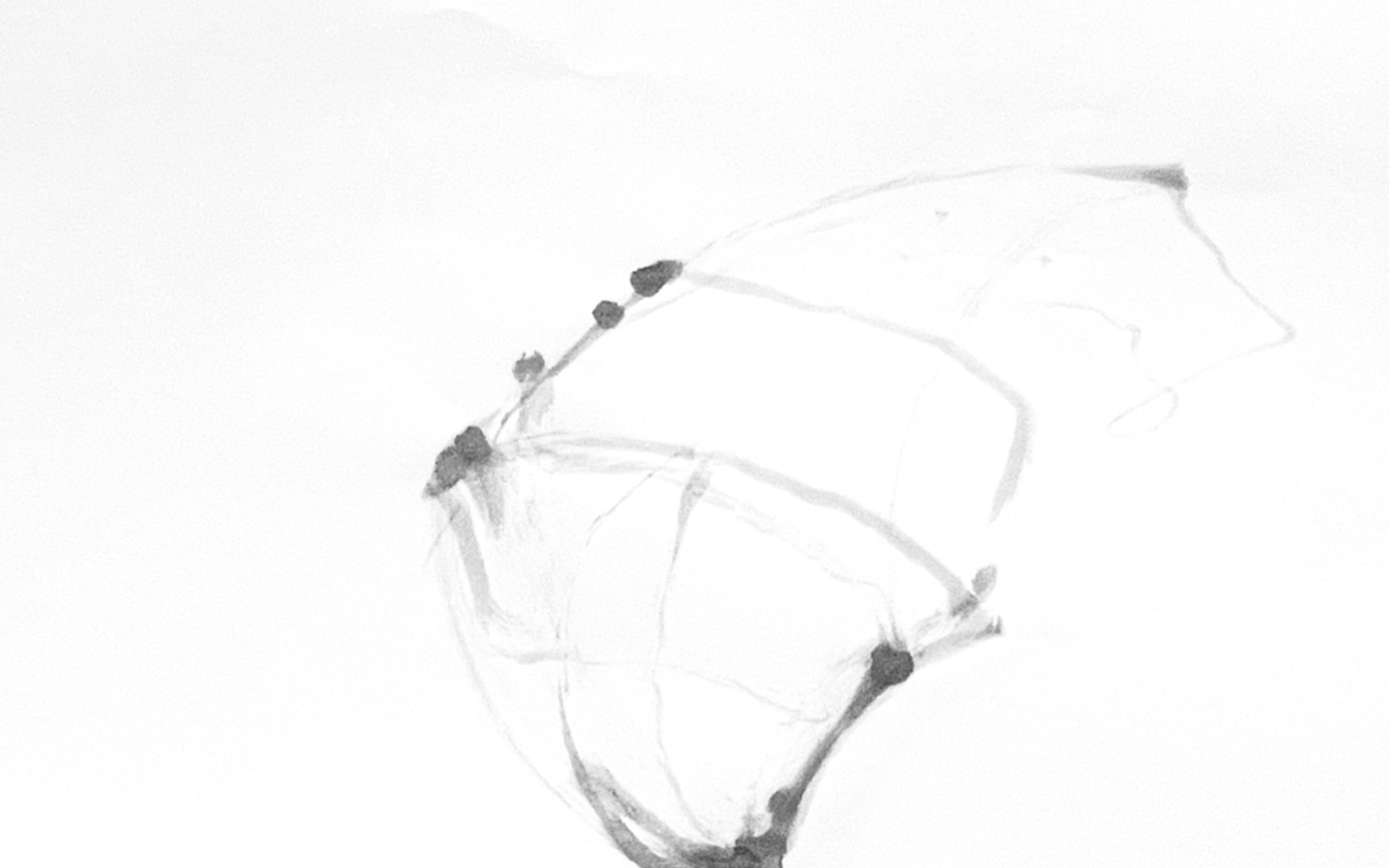
Drawing
Machine
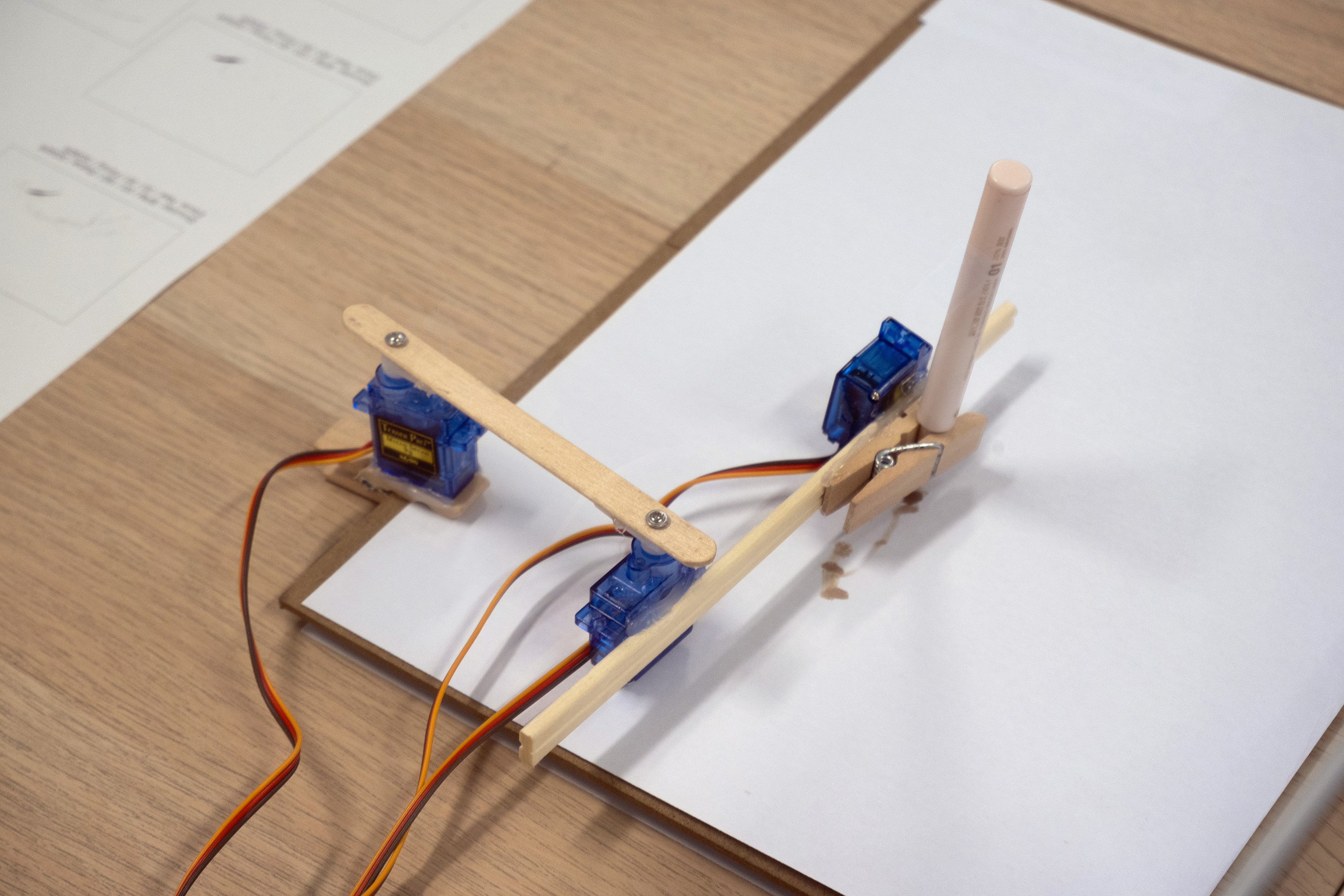
A low-cost biofeedback driven pen plotter based on a Brachiograph, built with an Arduino Uno, three pieces of SG92R servo motors, two lolly sticks, and a clothes peg for the pen holder.
01: Drawing with Pulse
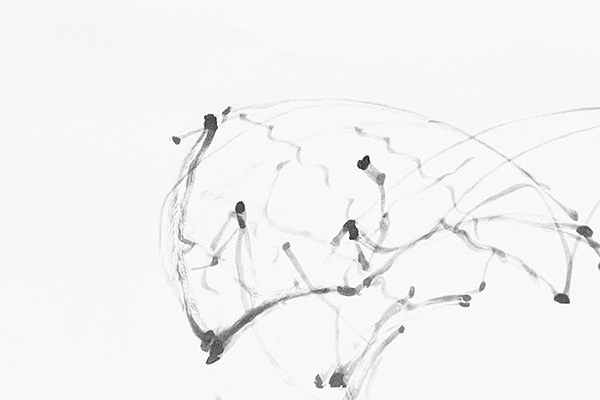
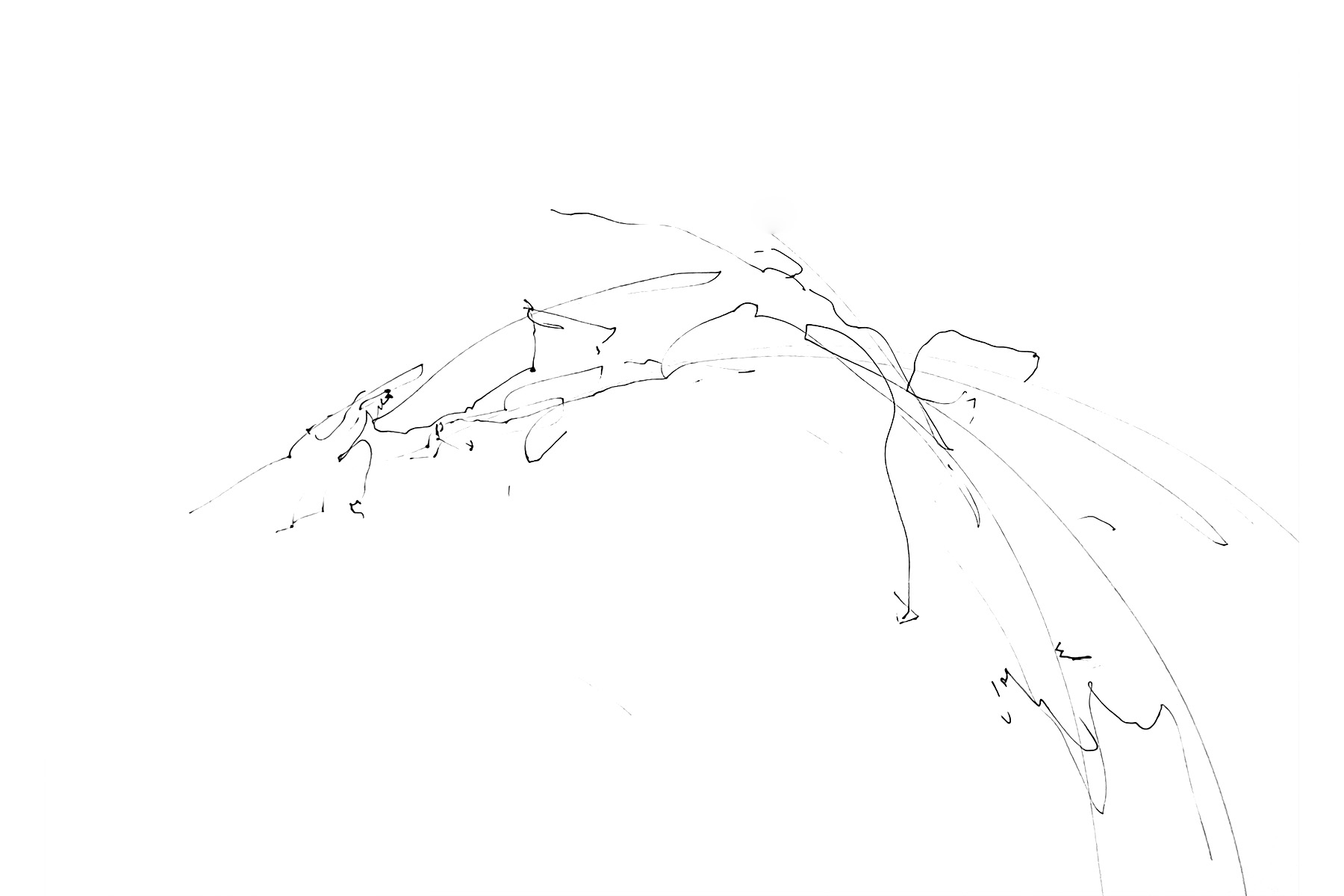
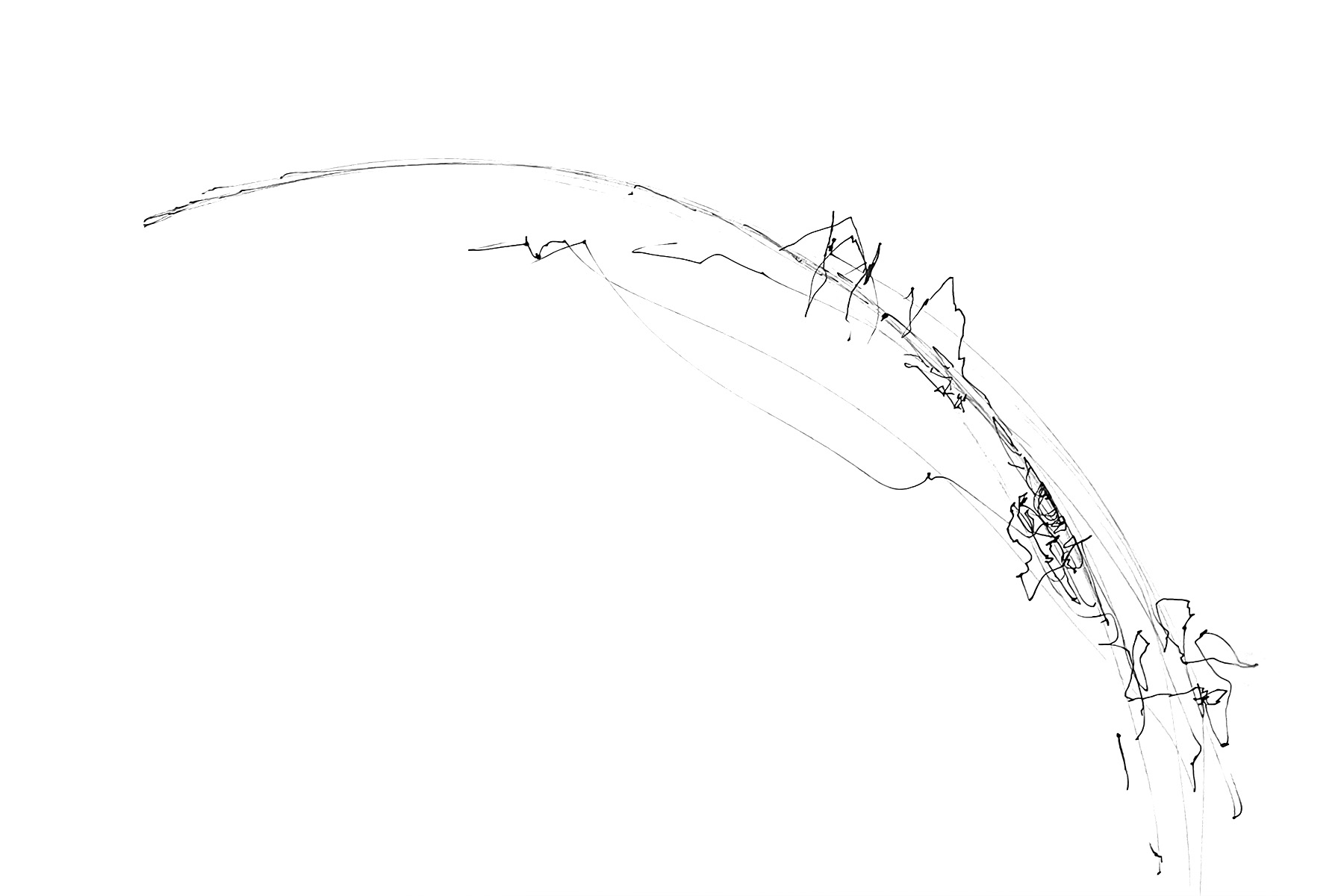
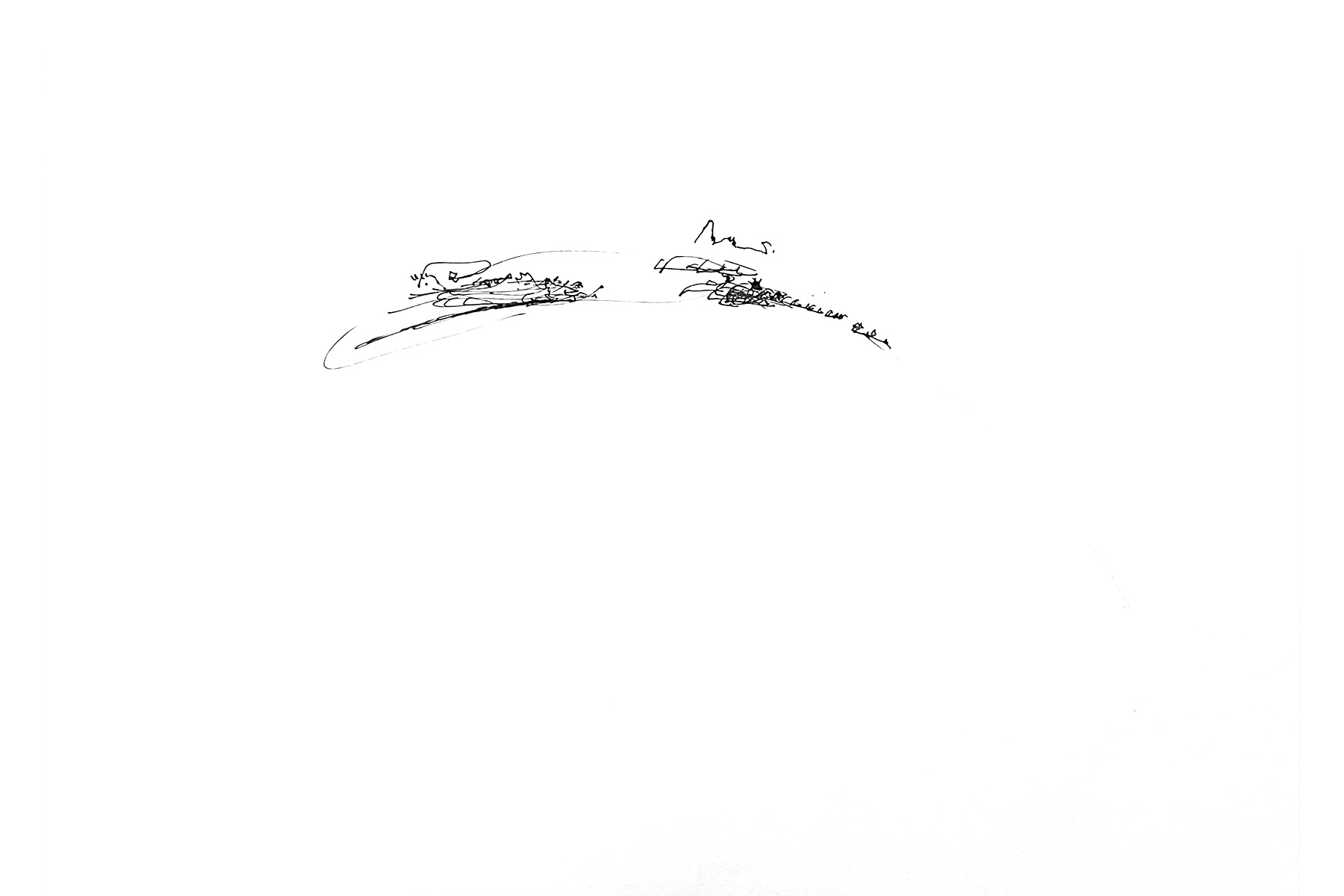
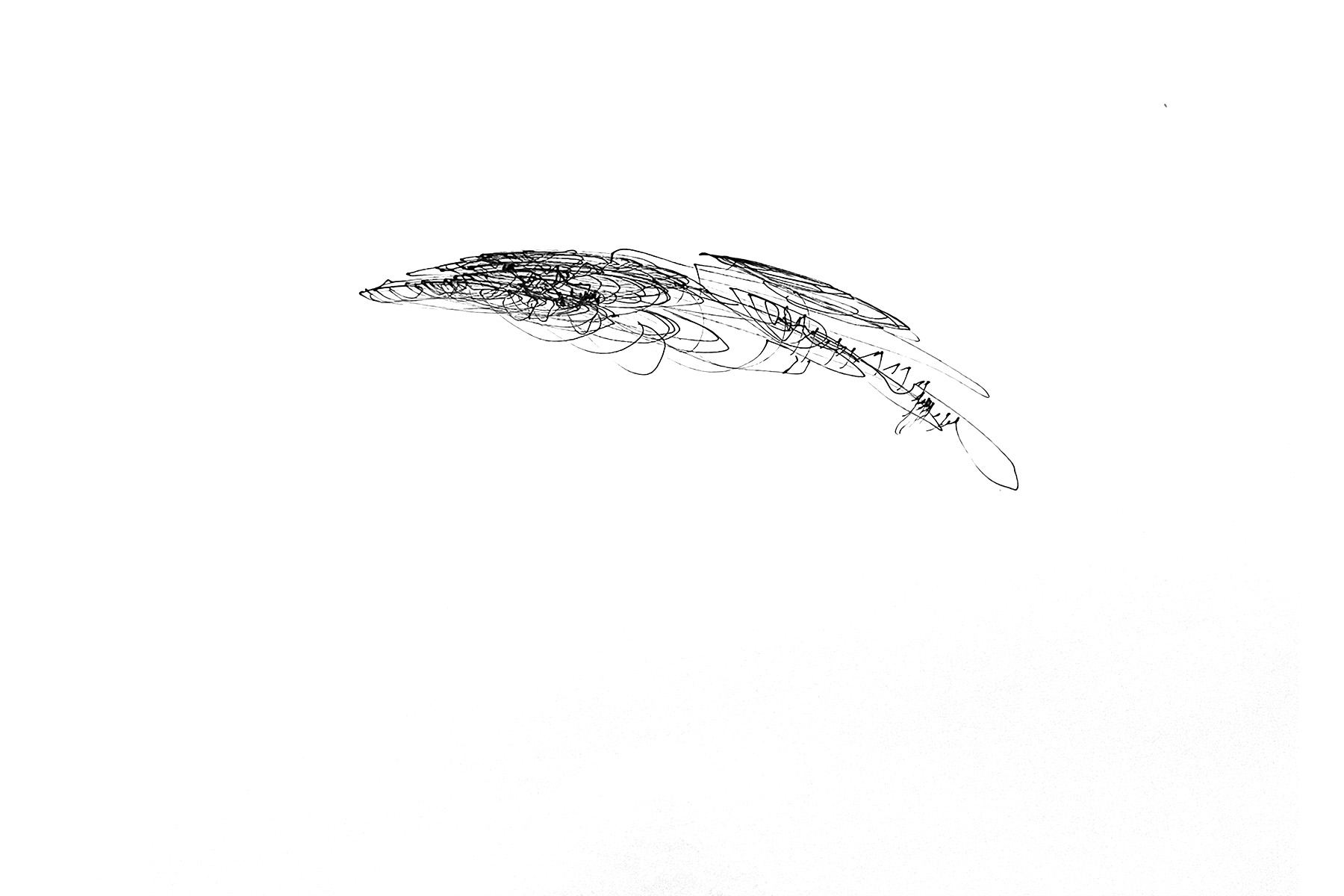
A pulse sensor was the input for the first prototype. As the sensor detects fluctuations in heart rate, the plotter responds by creating organic scribbles on the paper. It drives a real-time interaction with a physical output, giving it a tangible and tactile quality. The "twitchiness" of the digital servos adds an element of randomness to the drawings that complements nicely with the exercise's focus on serendipity.
02: User Testing
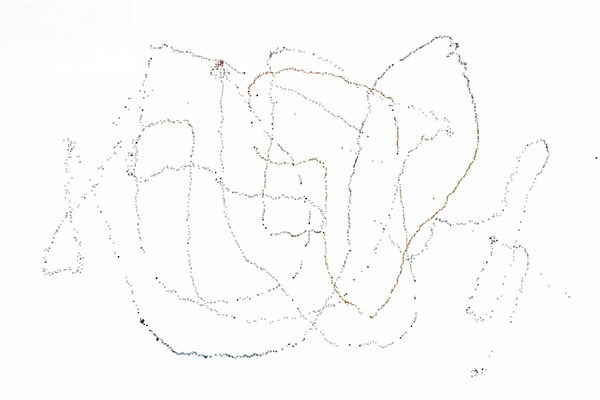
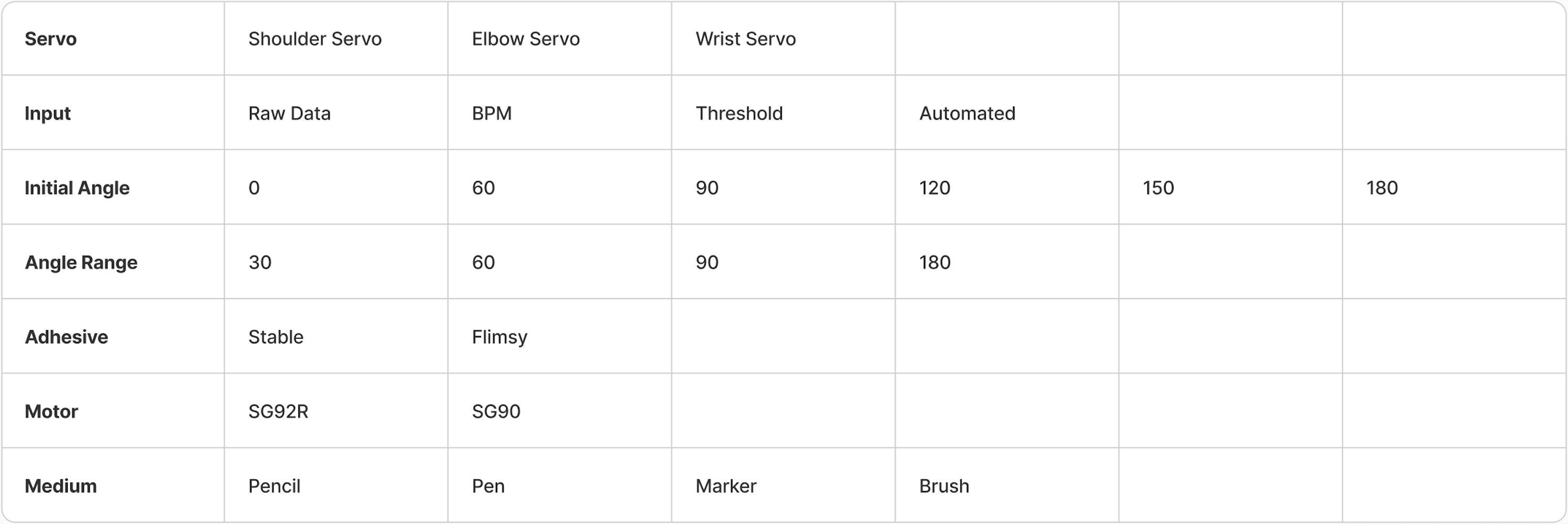
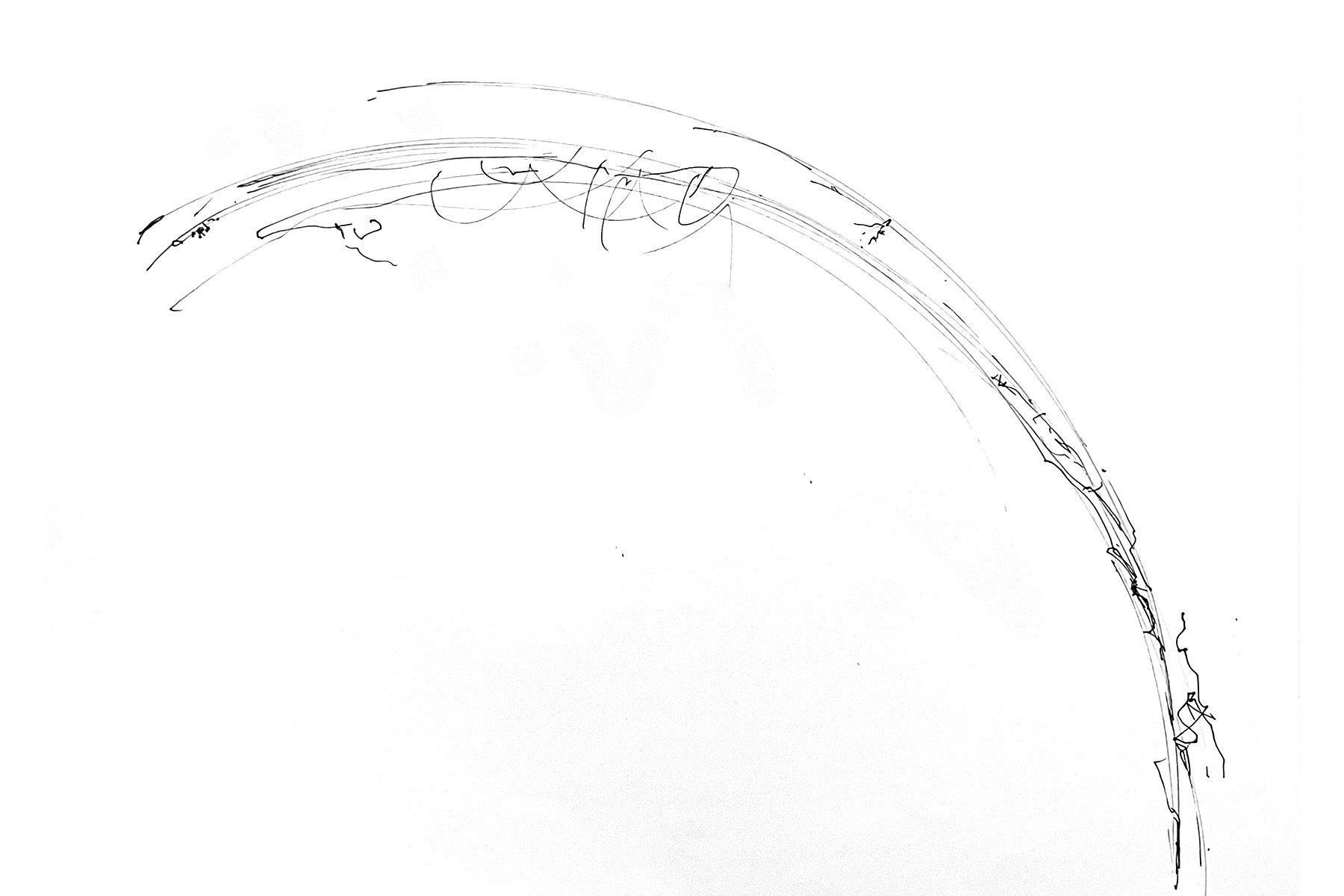
A chart inspired by morphological analysis was used to systematically refine the parameters. The chart breaks down the basic variables such as input data types, movement ranges, and servo motor control. Each drawing session proceeded until users found the resulting drawings to be finished. Four different participants took part in the user testing. They could specify their own options, giving them a degree of autonomy, but at the same time possibly weakening the direct visual association between their sens of individuality and the resulting visual output.










03: Drawing with Brain Activity
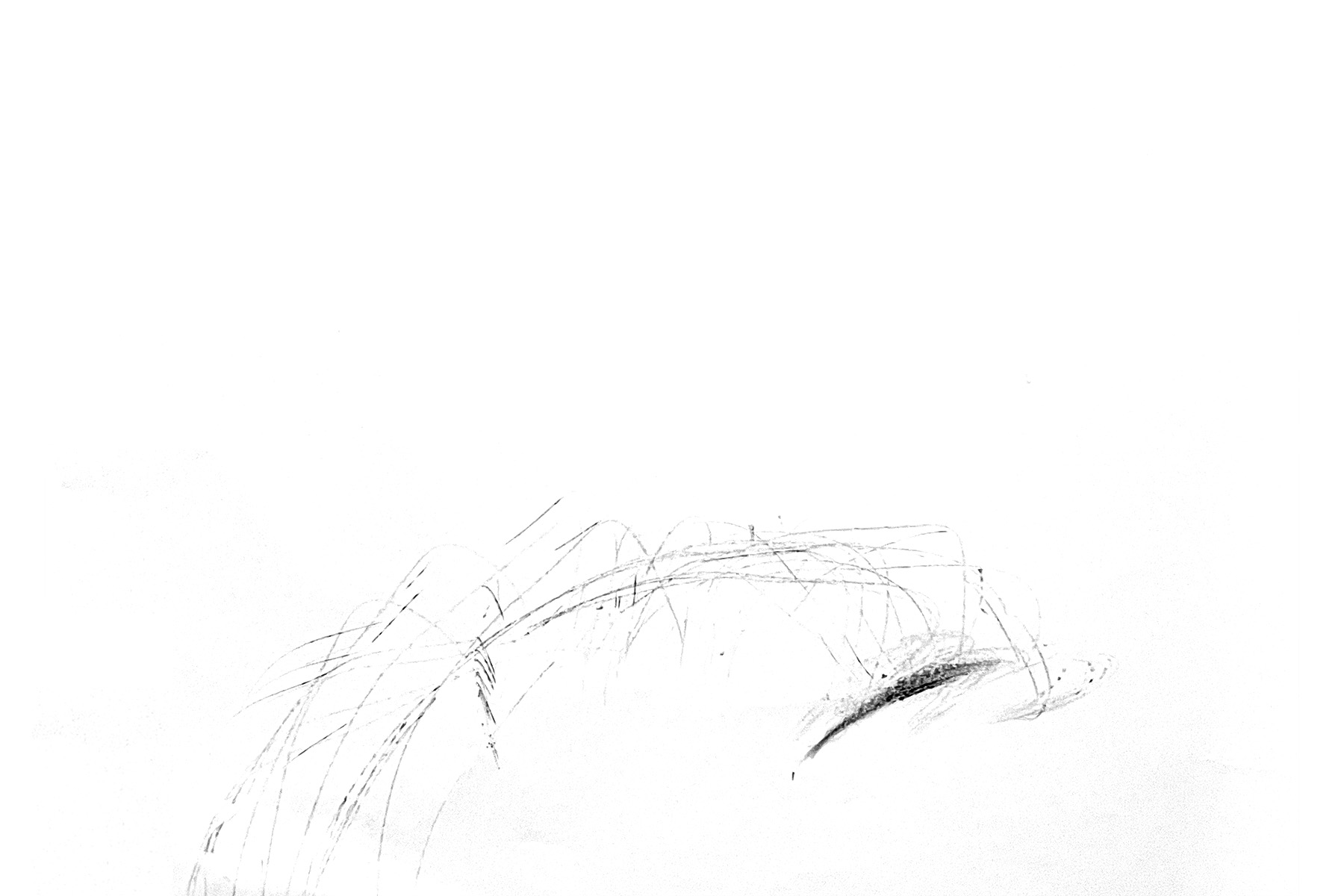
A second iteration, this time using EEG as input and an analogue motor as input for smoother movement. Alpha waves, associated with a calm state, control the shoulder motor, while beta waves, linked to focus, guide the elbow motor. This setup creates a sense or illusion of agency as they direct the brush with their mental states. The machine becomes a physical extension of the subconscious mind.